
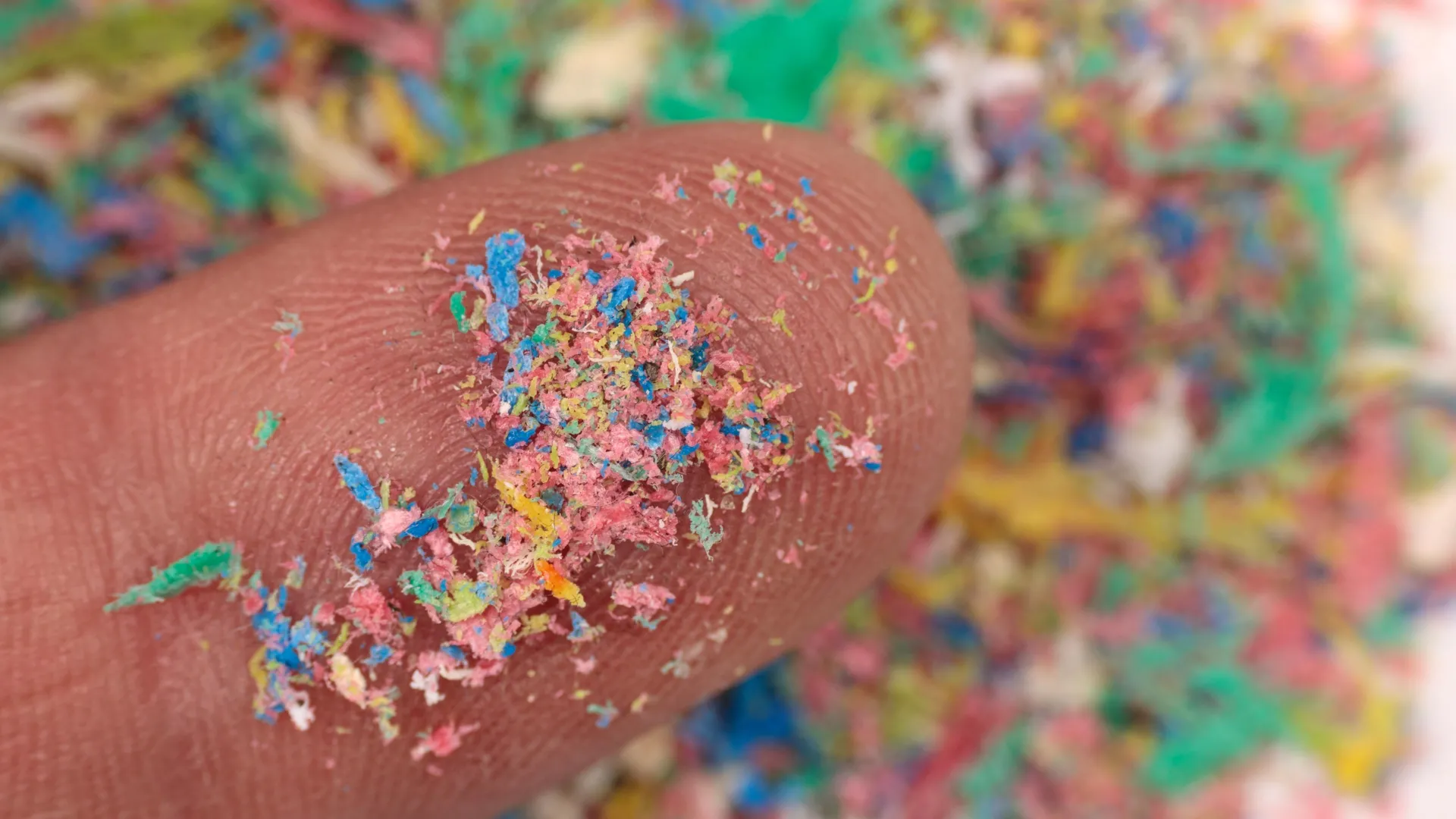

In recent years, the world has become increasingly aware of the pollution crisis, particularly concerning microplastics. Recent scientific studies have shed light on the origins of airborne microplastics, revealing that these tiny particles pose significant risks to indoor air quality. Understanding where these particles come from and how to combat their effects can help create a healthier home environment.
Understanding the Problem
Microplastics are tiny plastic particles, often less than five millimeters in size, that can originate from various sources, including the degradation of larger plastic items, synthetic clothing fibers, and even personal care products. When these materials break down, they can release microscopic particles into the air, affecting indoor air quality. Poor air quality can give rise to various health issues, including respiratory problems, allergies, and irritations.
Moreover, microplastics can carry harmful chemicals and pollutants, making their presence in indoor spaces doubly concerning. For many individuals, allergens, odors, and irritants can become exacerbated by the presence of these particles. In essence, the air we breathe indoors can be just as polluted—if not more so—than the outdoor environment.
Eco-Friendly Solutions to Improve Air Quality
1. Increase Airflow: One of the simplest yet most effective ways to improve indoor air quality is by increasing ventilation. Open windows when possible to allow fresh air to circulate. Cross-ventilation can help to dilute pollutants and reduce airborne microplastic concentrations.
2. Use Natural Air Purifiers: Indoor plants are an excellent natural solution for improving air quality. Species like spider plants, peace lilies, and snake plants can absorb toxins and help filter out indoor pollutants. Not only are they low-maintenance, but they also add a touch of nature to your living space.
3. Implement Regular Cleaning Habits: Regularly dusting and vacuuming your home can help reduce both allergens and microplastics settling on surfaces. Opt for a vacuum cleaner equipped with a HEPA filter to capture the smallest particles effectively. Microfiber cloths can also trap dust and particulates better than traditional cleaning materials.
4. Natural Deodorizers: Many commercial air fresheners mask odors rather than eliminating them and can add more chemicals to the air. Instead, consider using natural deodorizers, such as baking soda, essential oils, or vinegar, to keep your home smelling fresh without introducing harmful substances.
Recommended Air-Cleaning Products
1. HEPA Air Purifiers: Investing in a high-quality HEPA air purifier can dramatically reduce airborne microplastics and other pollutants. Look for models with activated carbon filters to help eliminate odors and chemical compounds effectively.
2. Essential Oil Diffusers: An essential oil diffuser can improve air quality while offering pleasant scents. Opt for organic essential oils like tea tree, eucalyptus, or lavender to maintain a natural and eco-friendly approach.
3. Natural Cleaning Products: Instead of conventional cleaners, use natural solutions made from ingredients like vinegar, baking soda, and lemon. These alternatives can effectively clean your home while preventing the introduction of additional harmful particles.
Conclusion
Combatting airborne microplastics and improving indoor air quality is essential for a healthy living space. By understanding the sources of air pollution and implementing eco-friendly solutions, you can create a safer and more enjoyable environment in your home. Regular cleaning, natural air purifiers, and mindful product choices can make a significant difference in the air you and your loved ones breathe.